How Philadelphia Businesses Can Reduce Commercial Refrigeration Costs During Peak Summer Heat
When summer temperatures climb in Philadelphia, your commercial refrigeration equipment has to work harder to keep food, beverages, and other temperature-sensitive products safely chilled. For restaurants, bars, grocery stores, convenience stores, and other businesses, that extra workload can quickly show up in higher energy costs.
Fortunately, there are ways to reduce unnecessary strain on your equipment. Improving
commercial refrigeration energy efficiency in
Philadelphia, PA, can help control operating costs while also supporting more reliable performance throughout the hottest part of the year.
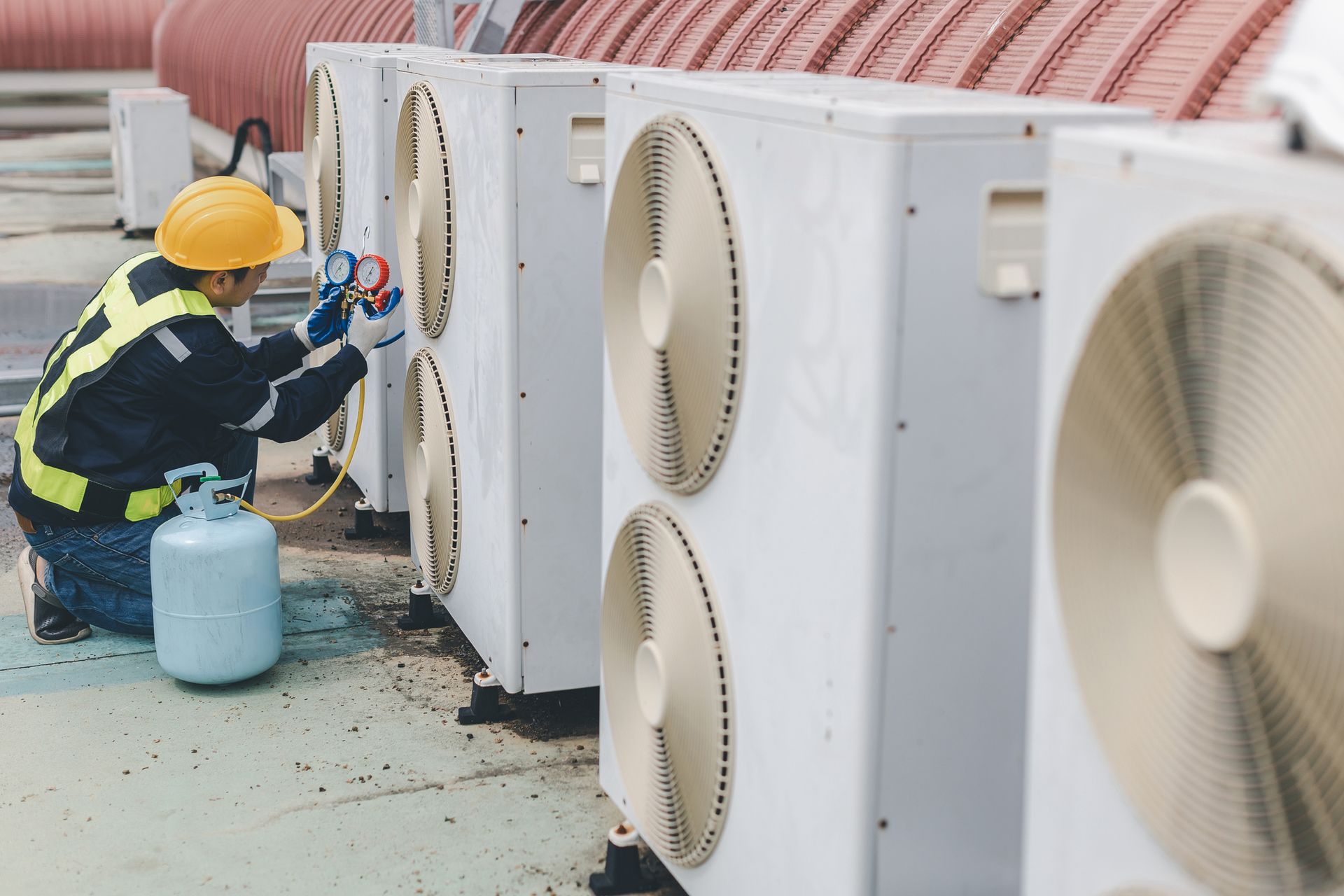
Keep Condenser Coils Clean
Commercial refrigeration equipment needs to release heat efficiently. When condenser coils become coated with dust, grease, dirt, and debris, that process becomes more difficult. The system may have to run longer to maintain the correct temperature, increasing energy consumption and putting additional wear on components.
Keeping condenser coils clean is especially important in commercial kitchens, where airborne grease and other contaminants can accumulate quickly. Routine
professional maintenance can help keep these components clean and identify other issues that may be affecting system efficiency.
Check Refrigeration Door Seals
Every time warm air enters a refrigerator or freezer, the equipment must remove the excess heat to restore the space to its proper temperature. Worn, cracked, loose, or damaged door gaskets can allow warm air to continuously seep inside—even when the door appears to be closed. That means your equipment may be working harder around the clock.
Inspect seals regularly and have damaged gaskets replaced. Employees should also make sure cooler and freezer doors close completely rather than leaving them partially open during busy periods.
Reduce Unnecessary Door Openings
During a busy lunch or dinner rush, employees may open walk-in and reach-in refrigeration equipment dozens of times. While some of that is unavoidable, organization can make a difference.
Keeping frequently used products easy to locate reduces the amount of time employees spend standing in front of an open cooler. Stocking items logically and reminding employees to close doors promptly can also help limit the amount of hot, humid summer air entering refrigerated spaces.
Small operational changes can add up when refrigeration equipment runs 24 hours a day.
Give Your Equipment Room to Breathe
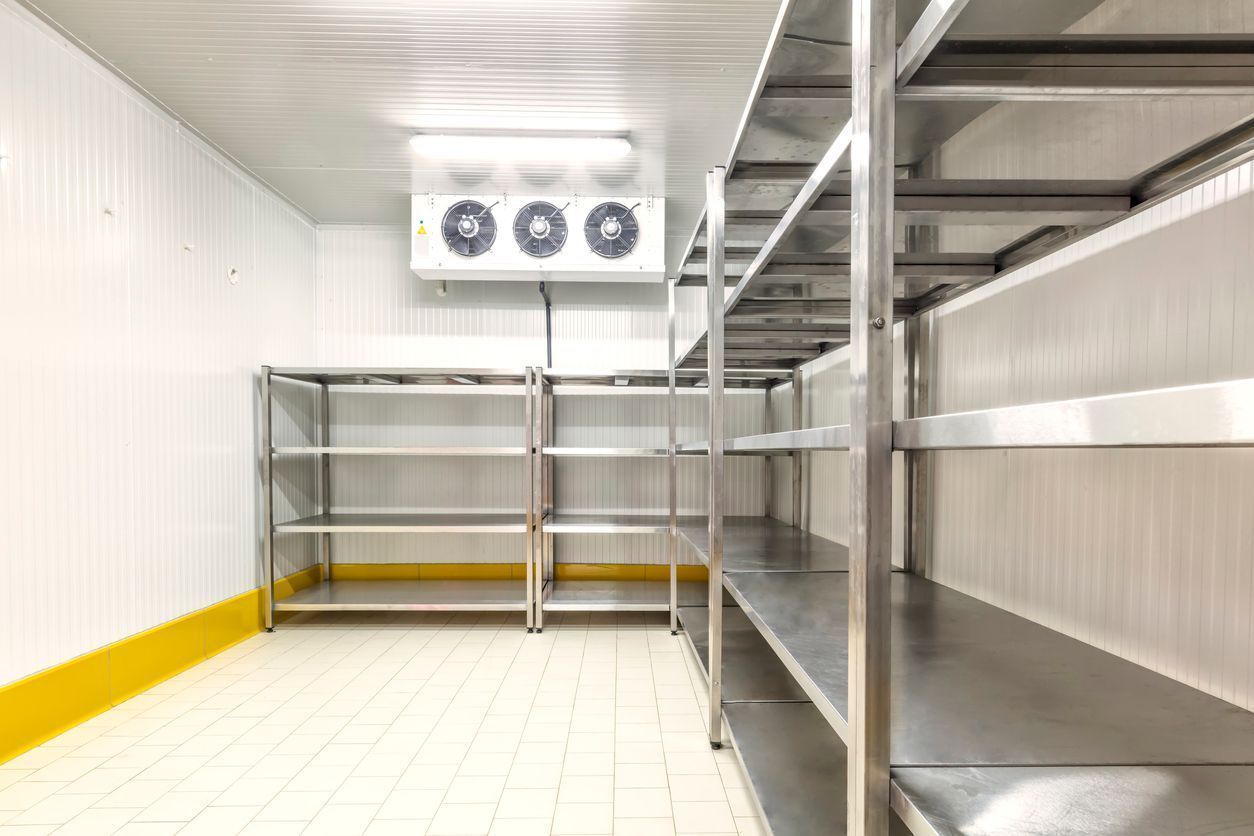
Proper airflow is another important part of refrigeration efficiency. Blocked vents, overcrowded storage areas, and restricted airflow around refrigeration equipment can interfere with heat transfer and make it harder for the system to maintain consistent temperatures.
Avoid packing products tightly against interior vents, and keep areas around refrigeration equipment clear whenever possible. If a walk-in cooler or a
reach-in unit is struggling despite adequate airflow, a professional technician can determine whether another underlying problem is affecting its performance.
Pay Attention to Changing Temperatures
A refrigerator or freezer that suddenly begins running warmer than usual shouldn't be ignored.
Temperature fluctuations can indicate several potential problems, including airflow restrictions, refrigerant issues, failing components, or equipment that is struggling under increased demand.
Catching those problems early can sometimes prevent a relatively minor efficiency issue from becoming an expensive breakdown—or causing product loss during one of the busiest times of the year.
Don't Skip Preventative Maintenance During Summer
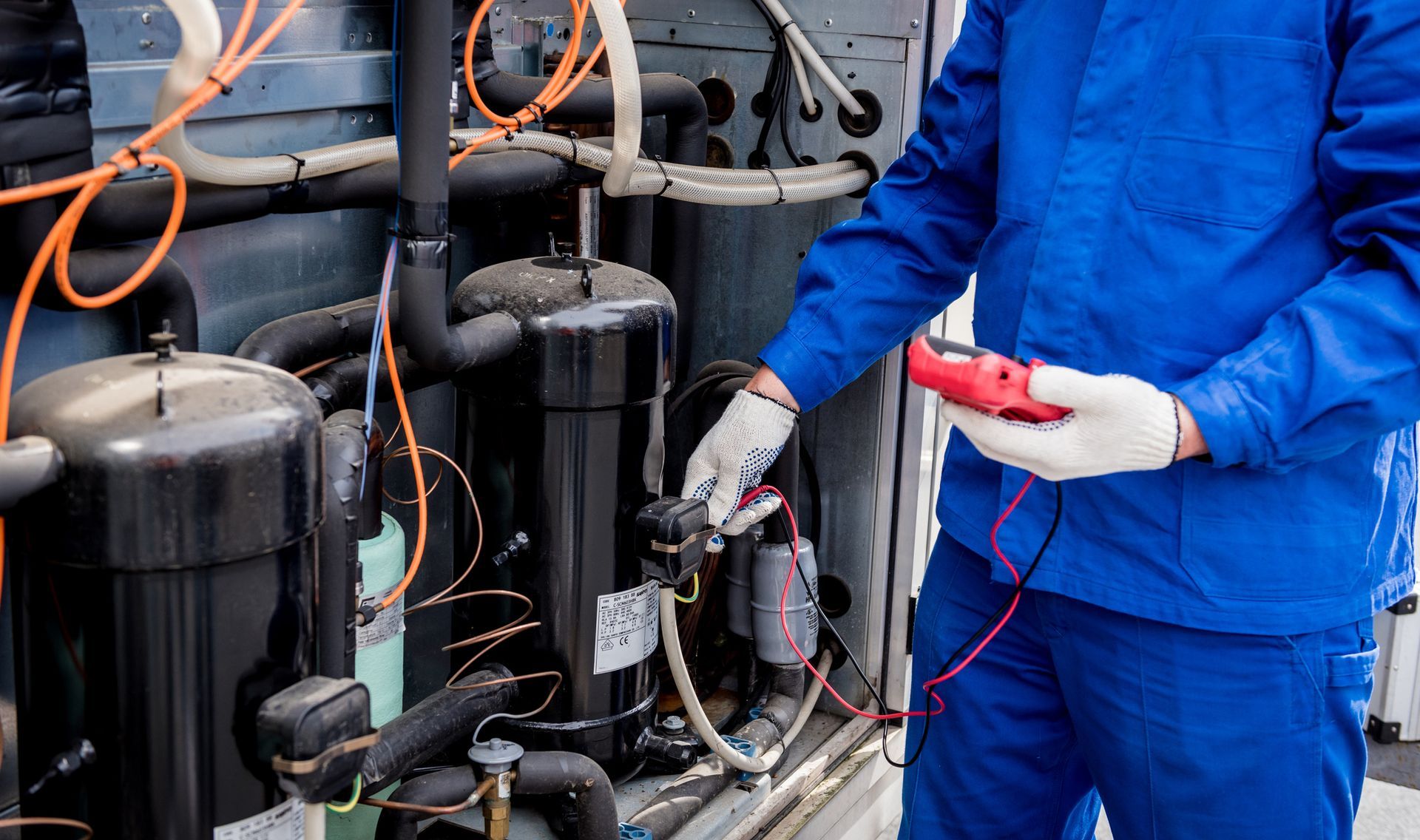
Preventative maintenance becomes especially valuable when refrigeration equipment is operating under heavy seasonal demand. Professional inspections can identify dirty components, electrical problems, refrigerant concerns, worn parts, and other conditions that may force equipment to consume more energy than necessary. Addressing those issues can improve efficiency while reducing the risk of unexpected downtime.
At
Polar Mechanical Services, our maintenance programs are designed around commercial equipment and can include routine inspections, cleaning and performance checks, refrigerant monitoring, and electrical and component testing.
Improve Commercial Refrigeration Efficiency With Polar Mechanical Services
Higher summer temperatures don't have to mean accepting unnecessary refrigeration costs. A combination of smart daily practices and professional maintenance can help your equipment operate more efficiently while protecting the reliability your business depends on.
If you're concerned about
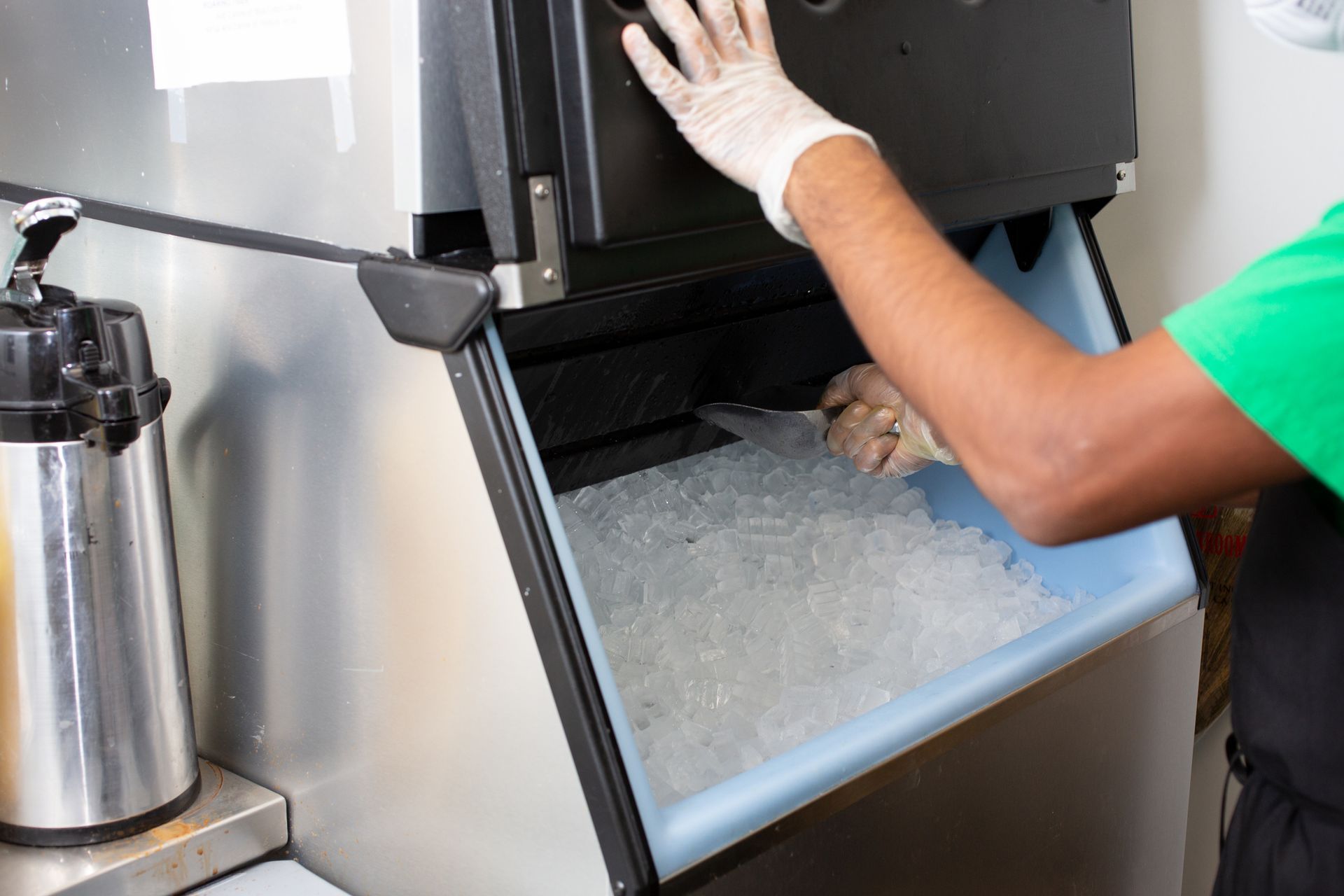
commercial refrigeration energy efficiency in Philadelphia, PA, Polar Mechanical Services can help. We provide commercial refrigeration diagnostics, repair, and preventative maintenance for walk-in coolers and freezers, reach-in refrigeration, ice machines, and other equipment used by Philadelphia businesses. Call Polar Mechanical Services today at
484-999-1413 to schedule commercial refrigeration service and keep your equipment performing reliably throughout the summer.